A New Era of Advanced AI and Transnational Law Enforcement: The "2026 International Conference on Technology Crime Investigation and Information Security" Grandly Concludes
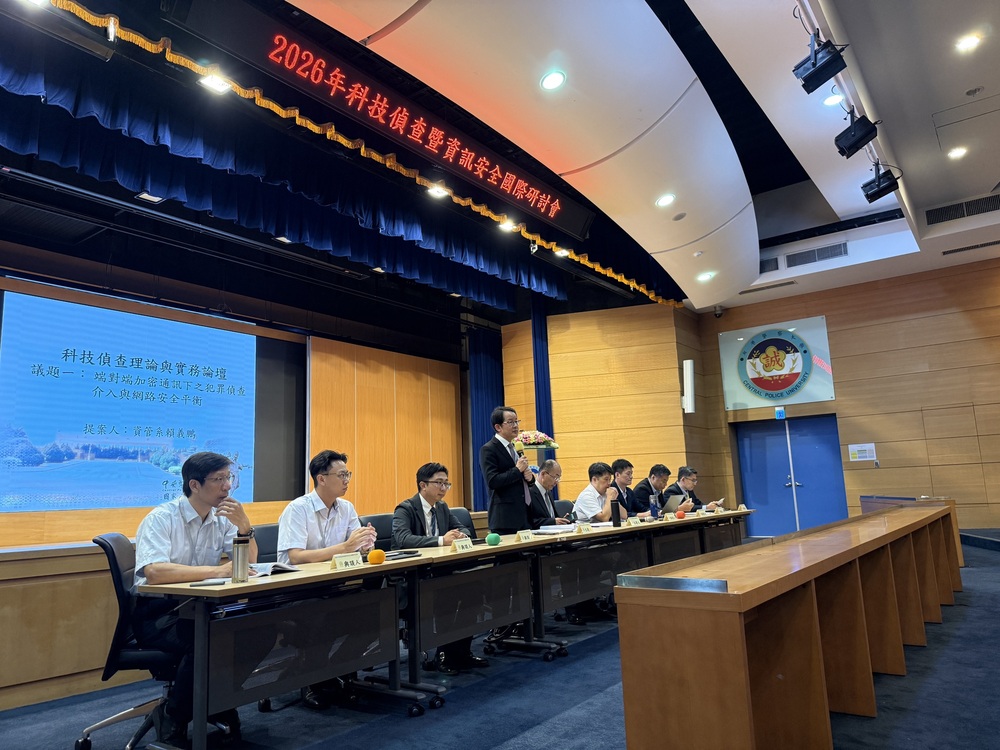
A New Era of Advanced AI and Transnational Law Enforcement: The "2026 International Conference on Technology Crime Investigation and Information Security" Grandly Concludes
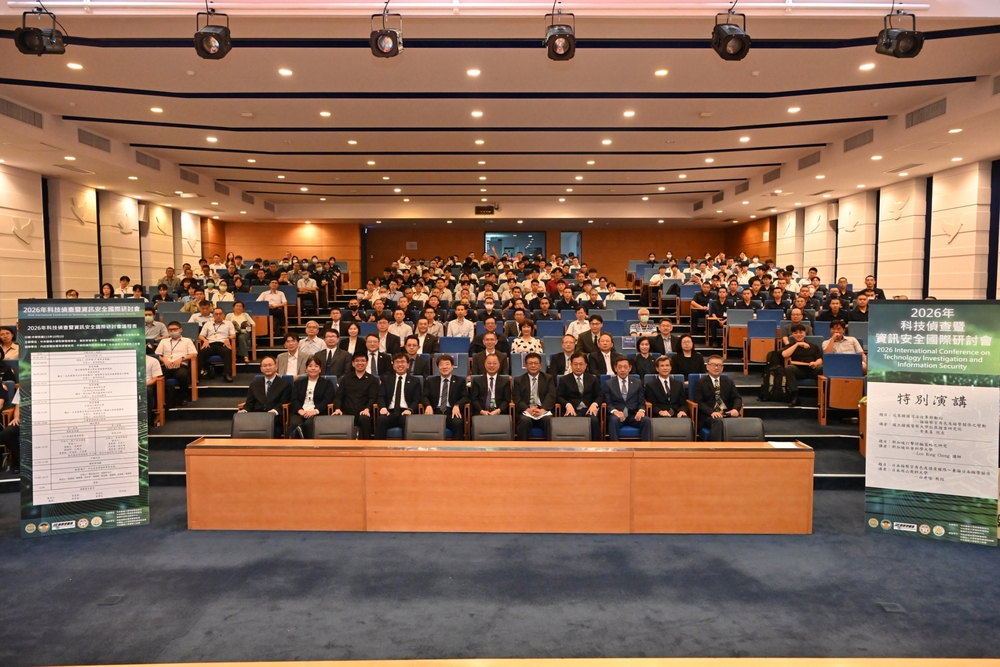
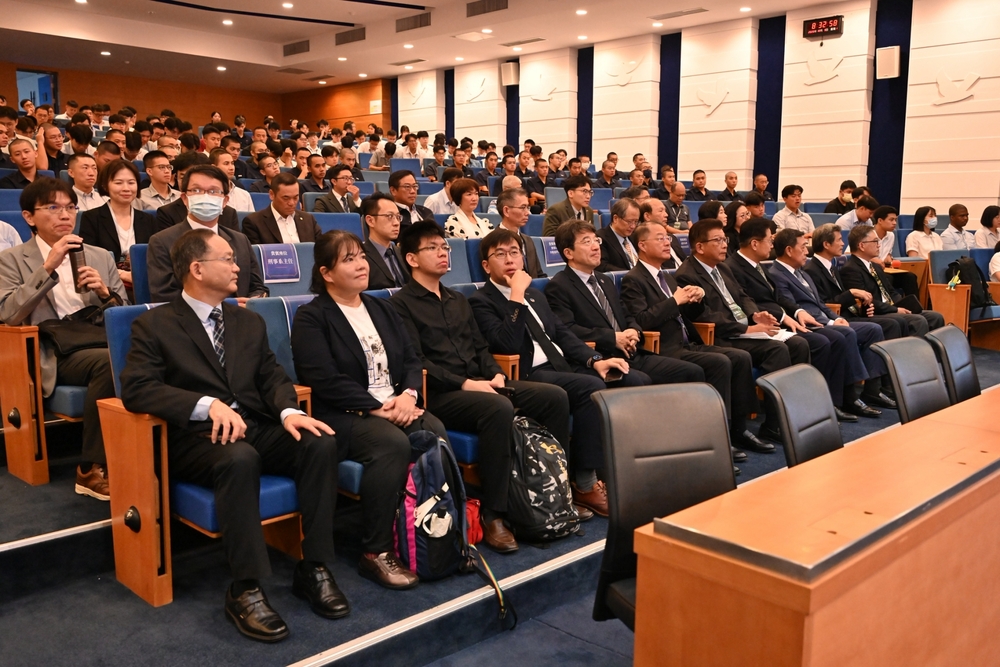
In response to the escalating challenges posed by globalized digital crime, rapidly evolving generative AI technologies, and transnational money laundering networks, Central Police University (CPU) grandly hosted the "2026 International Conference on Technology Crime Investigation and Information Security" yesterday (October 5). Co-hosted by CPU's Department of Criminal Investigation, Department of Information Management, and Smart Technology Law Enforcement Research Center, the event was supported by the Criminal Investigation Bureau (CIB) of the National Police Agency (NPA), the Criminal Investigation Association of the R.O.C., and the CPU Police Friends Association. The conference gathered law enforcement elites, tech experts, and academics from Taiwan and abroad, highlighting Taiwan’s leading role in cross-border tech policing and cutting-edge cybersecurity research.
Top Scholars from South Korea, Singapore, and Japan Chart New Blueprint for International Cooperation
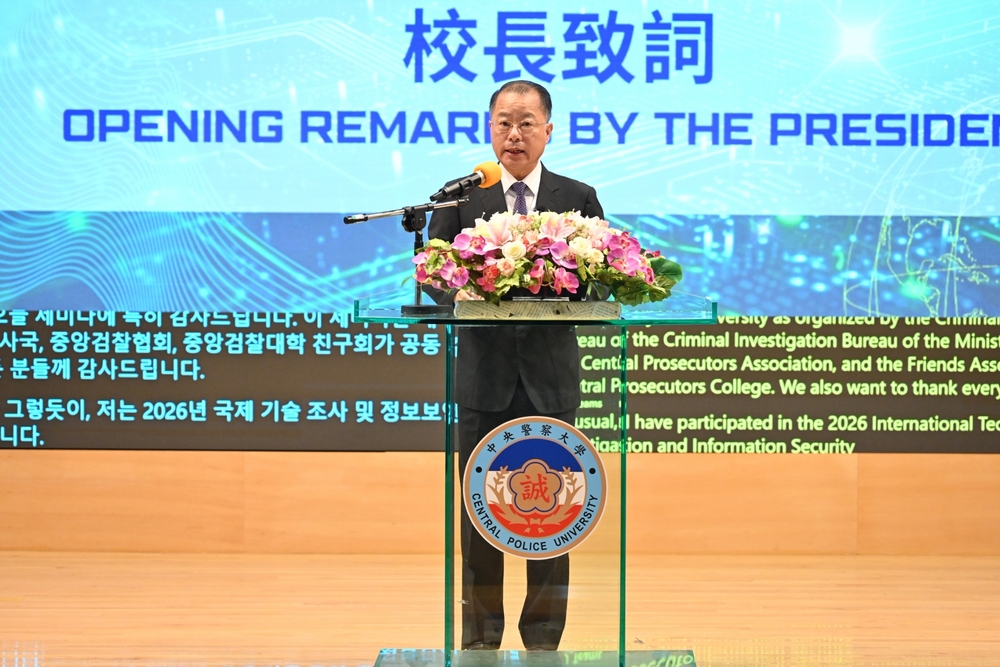
The opening ceremony was presided over by CPU President Ming-Chao Huang. Keynote speeches delivered by distinguished scholars from South Korea, Singapore, and Japan fostered deeper international judicial mutual assistance and intelligence exchange:
-
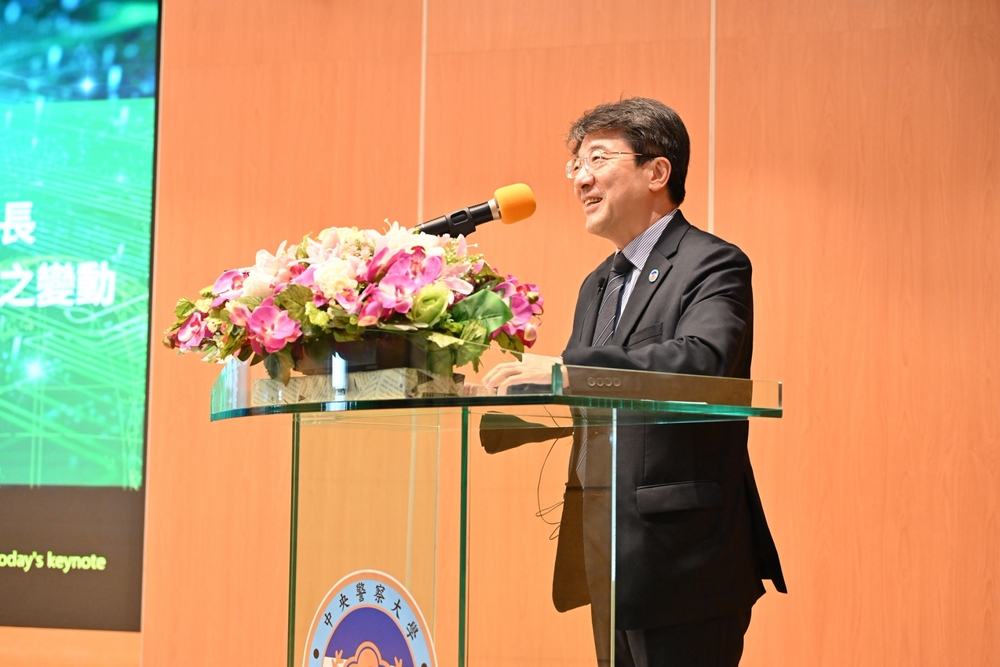
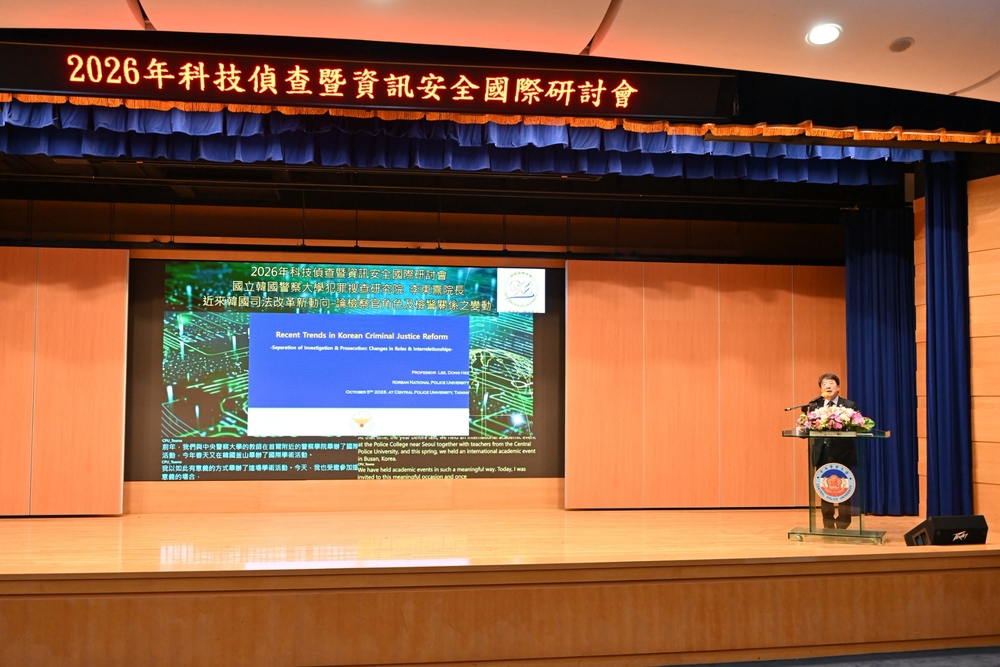
Dr. Dong-Hee Lee, President of the Criminal Investigation Research Institute, Korean National Police University: Chaired by CPU President Ming-Chao Huang, Dr. Lee presented on "Recent Trends in South Korea’s Judicial Reform: Changes in the Role of Prosecutors and Prosecutorial-Police Relations." He provided an in-depth analysis of South Korea's latest adjustments in police-prosecutor collaboration mechanisms and investigative powers when countering emerging crime types.
-
Lecturer Lee Rong Cheng, Singapore University of Social Sciences: Chaired by Deputy Director-General Wen-Chang Lee of the NPA, Lecturer Lee presented "Research on Singapore's Anti-Scam Strategies," sharing Singapore's successful experience in whole-of-government cross-agency integration across telecommunications, finance, and technology sectors to prevent and combat fraud.
-
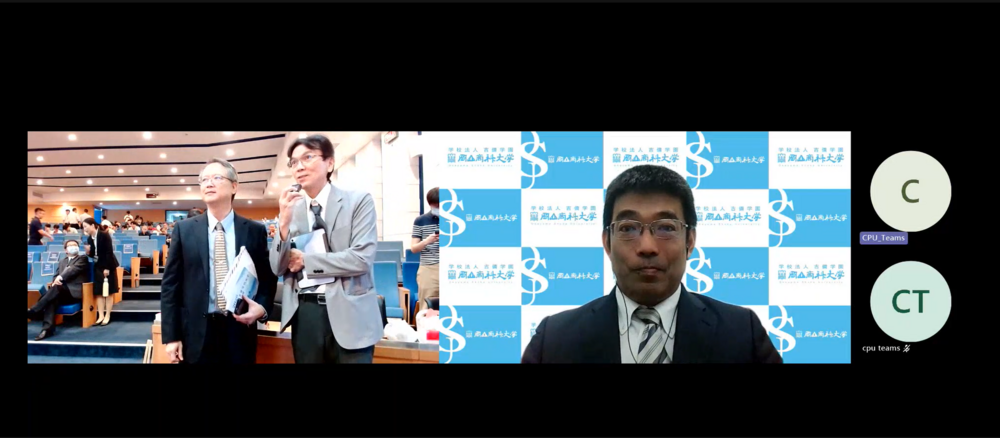
Prof. Yu Shirai, Okayama Shokei University, Japan: Chaired by CPU Professor Ching-Tung Chou with CPU Professor Yu-Shun Lin serving as the discussant, Prof. Shirai spoke on "The Role and Investigative Powers of Prosecutors in Japan: Also on Prosecutorial-Police Relations," discussing the adaptability and legal adjustments of the Japanese judicial system in the digital age.
Addressing Cutting-Edge Tech Waves: Forum Explores Crypto Tracking and Generative AI Applications
The flagship "Technology Crime Investigation Theory and Practice Forum" was co-chaired by Jui-Hao Hsiao, Director of the CIB Technology Crime Prevention Center, and Kuo-Che Chang, Director of the NPA Information Technology Office. The panel brought together operational police experts and CPU academics for high-level discussions. Key topics focused on balancing legal interception with cybersecurity under End-to-End Encryption (E2EE) communications, digital evidence preservation in the Post-Quantum Cryptography (PQC) era, and real-time tracking of cross-border cryptocurrency illicit flows.
The forum also conducted a comprehensive deep-dive into AI integration within policing, covering local AI model deployments, practical applications of the Taoyuan City Police Department's "TYPE AI" investigative assistant system, as well as generative AI and multimodal models for automated crime network graphing, intelligent statement generation, police Knowledge Base Retrieval-Augmented Generation (RAG) applications, and data governance standards—demonstrating a forward-looking vision for smart police transformation.
Seamless International Communication Powered by AI Event Architecture
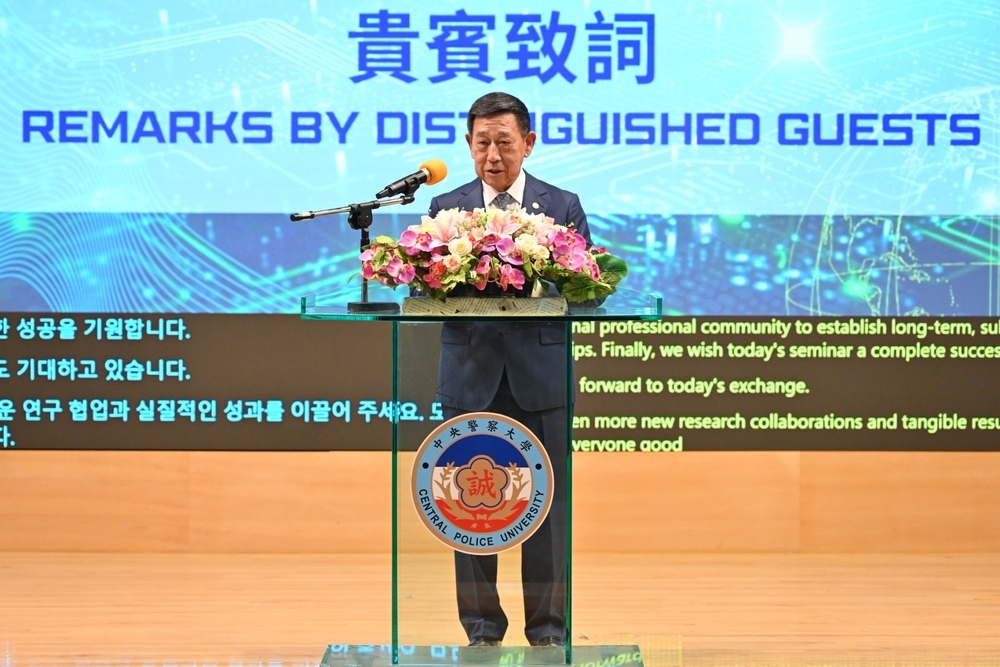
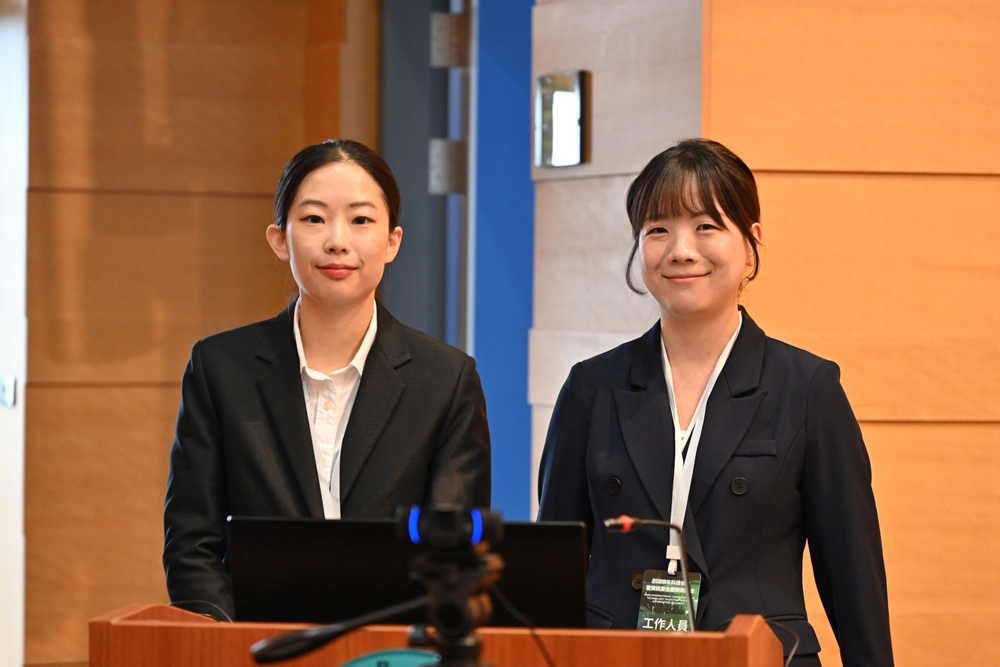
To build an accessible international exchange environment, the conference backend engineering team deployed real-time video streaming integrated with a Microsoft Teams AI-assisted multilingual live subtitling system. The setup instantaneously translated and broadcast speakers' presentations into real-time multilingual subtitles across event displays, enabling international attendees to fully engage with and understand every session seamlessly. As technology advances rapidly and criminal methods grow increasingly complex, CPU remains committed to leveraging continuous transnational academic and practical partnerships to build a resilient defense against novel technological crimes.