【Workshop】Taiwan-Norway Police Academic Exchange: "Investigative Interviewing Workshop"
publish date :
2026-11-18
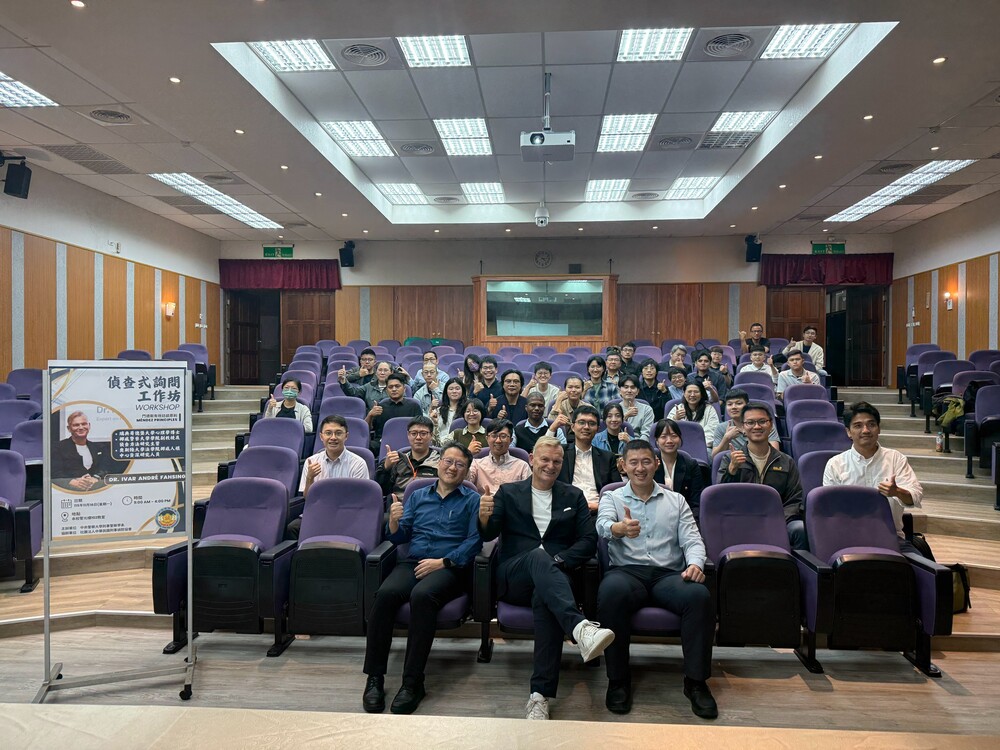
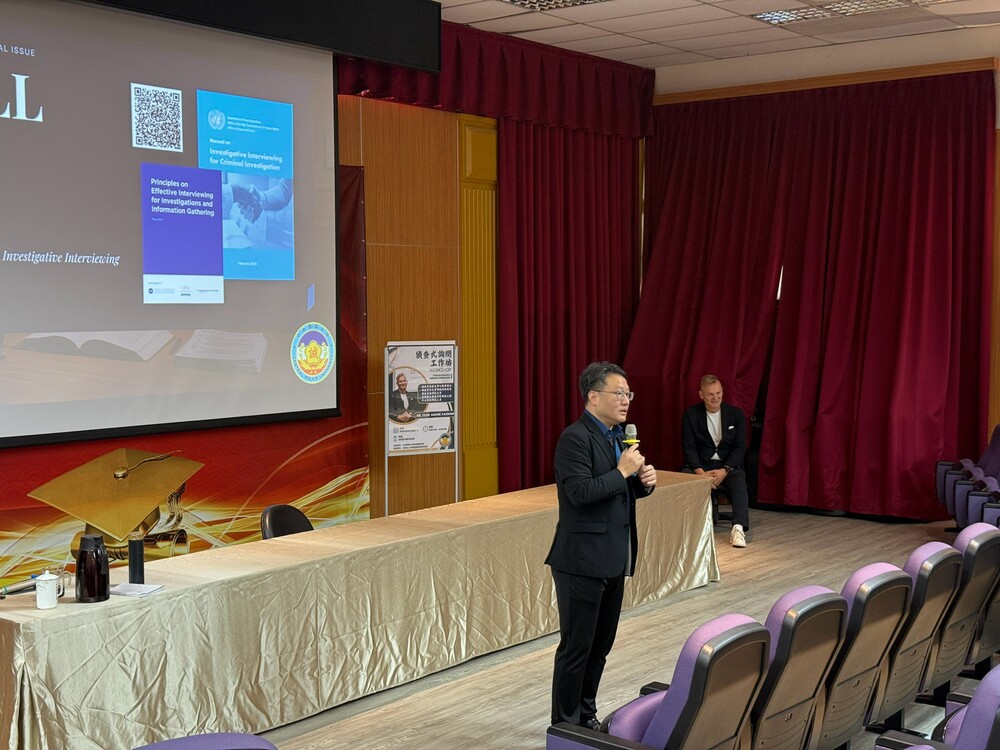
The Department of Criminal Investigation at Central Police University (CPU) hosted the "Investigative Interviewing Workshop" on November 16, 2026. The full-day, six-hour event featured Dr. Ivar A. Fahsing—a distinguished international expert in policing and human rights, former Associate Professor at the Norwegian Police University College, and Senior Visiting Fellow at the Faculty of Law, University of Oslo—as the keynote speaker. Centered on the *Méndez Principles on Effective Interviewing, the workshop aimed to transform traditional adversarial interrogation practices into modern, science-based investigative interviewing mechanisms anchored in information gathering and human rights safeguards.
## Overcoming Coercive Control and Preventing False Confessions
In his presentation, Dr. Fahsing offered a profound critique of traditional law enforcement culture, which historically overemphasizes physical control and confession seeking. He underscored that high-pressure interrogations conducted without scientific planning introduce a severe risk of eliciting false confessions. To illustrate the profound harm unshielded interrogation environments can inflict on judicial justice, Dr. Fahsing highlighted a prominent 1997 Norwegian murder case. In that instance, an innocent suspect delivered a false confession following three weeks of isolated interrogation and psychological suggestion—a miscarriage of justice that was only exonerated years later through expert re-analysis.
## Addressing Cognitive Bias and Cultivating the Reflective Detective Mindset
Participants engaged in active discussions drawing from domestic case experiences, analyzing how investigative personnel operating under tight time constraints and cognitive bias may mistakenly treat a single hypothesis as absolute truth. Dr. Fahsing emphasized that criminal detectives should not adopt a coercive, SWAT-style adversarial posture. Instead, investigators must embody the role of a reflective "detective"—one equipped with critical analytical capabilities to rigorously distinguish verified facts from subjective interpretations.
## Interactive Pedagogy and Practical Role-Play Simulations
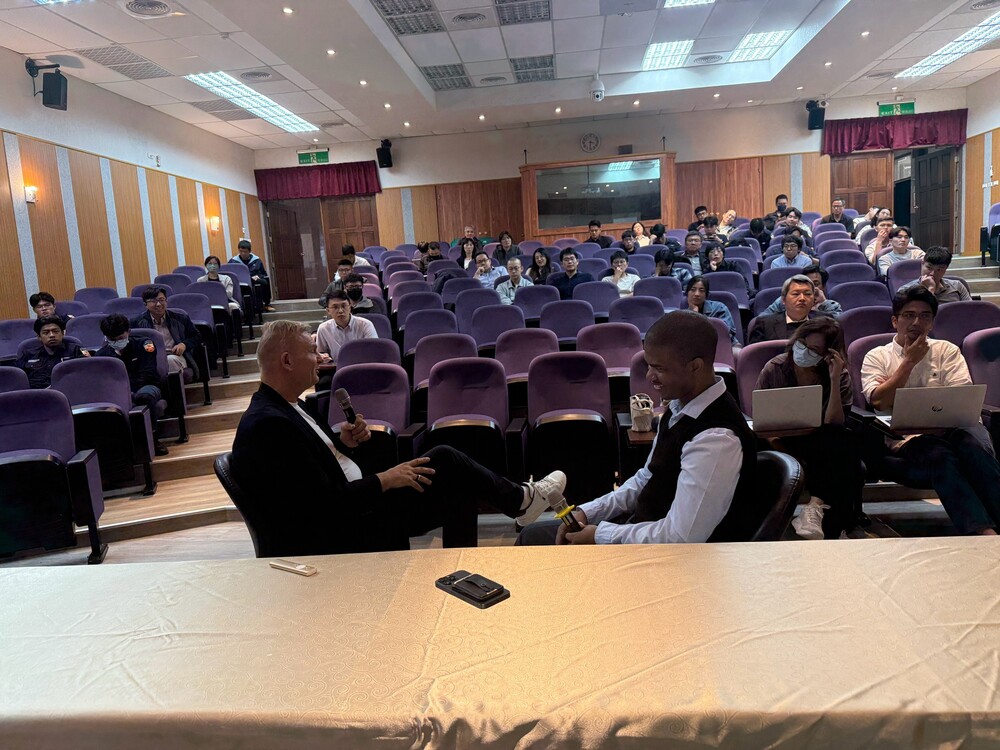
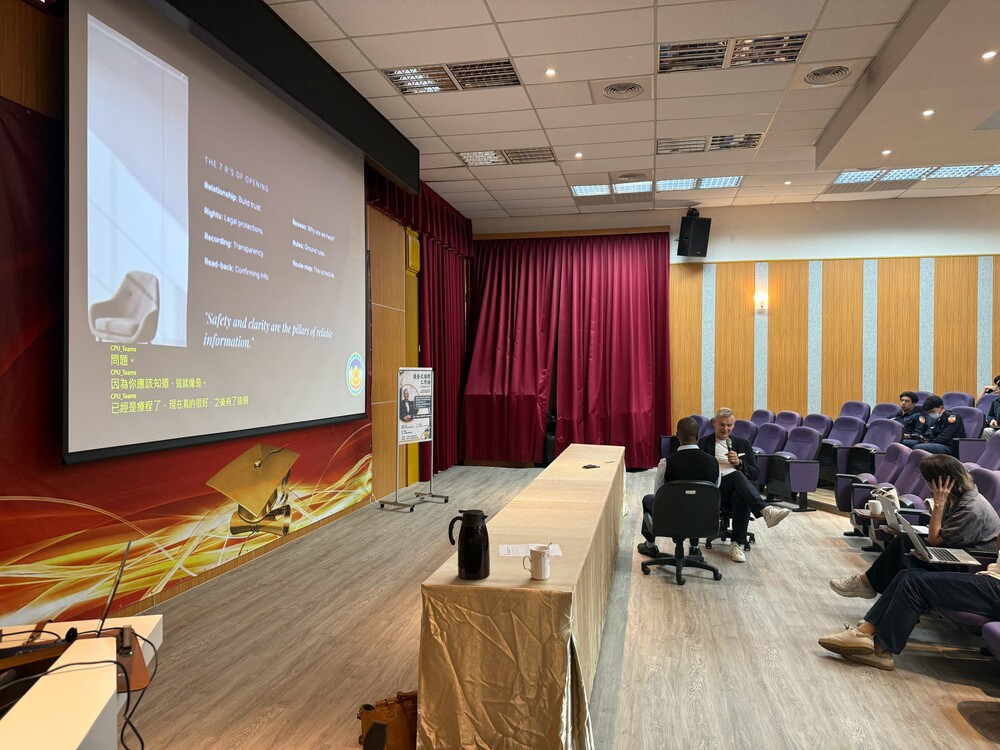
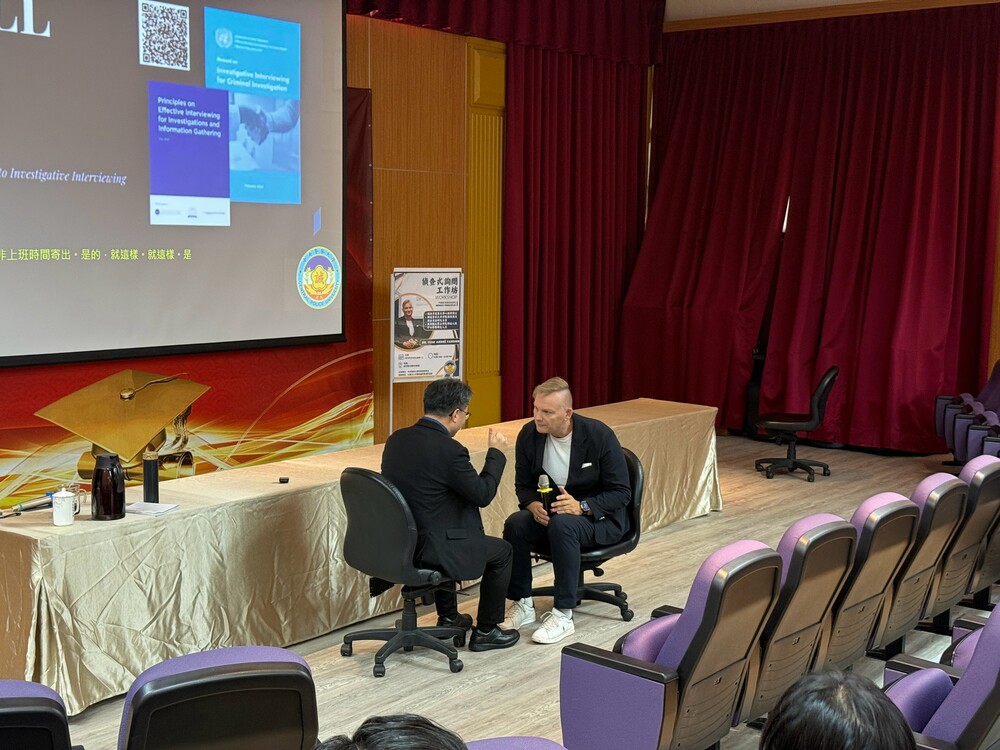
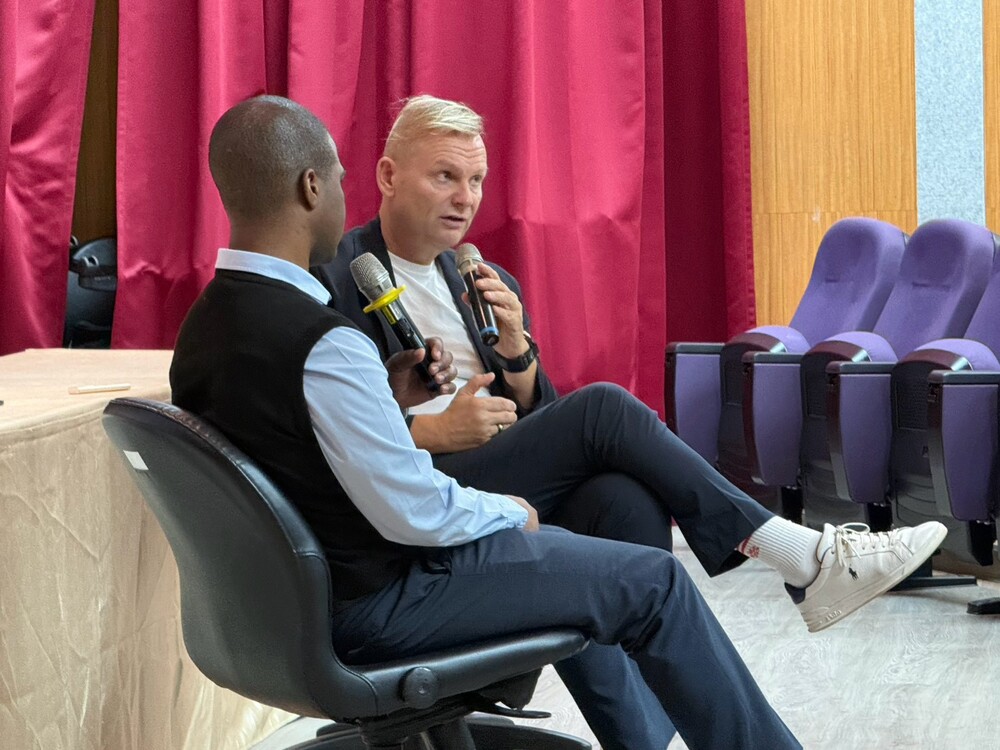
Breaking away from traditional unidirectional lecture formats, the workshop implemented a highly interactive and practical pedagogical framework. At the outset, Dr. Fahsing demonstrated how subtle micro-adjustments in interviewing room seating arrangements can reduce psychological pressure on interviewees and enhance memory recall. The curriculum incorporated experimental case studies from Scotland Yard, enabling participants to conduct comparative evaluations. During the afternoon session, Dr. Fahsing invited attendees on stage for live simulation exercises, demonstrating how to apply the "7 Rs" of rapport building and open-ended questioning to elicit rich, detailed testimony while shielding witness memory from interviewer bias or contamination.
## Institutional Milestone and International Partnership Outlook
The successful execution of this workshop deepens collaborative ties with leading global academic institutions, including the Norwegian Police University College and the Norwegian Centre for Human Rights at the University of Oslo. Crucially, it embeds international human rights interviewing frameworks and empirical techniques into the training pipeline for Taiwan’s police leadership. Looking ahead, the Department of Criminal Investigation will continue expanding international exchange initiatives to accelerate the modernization of police investigative systems. Participating officers praised the workshop for its theoretical rigor and exceptional practical utility.