【Workshop】Taiwan-Norway Police Academic Exchange: "Investigative Interviewing Workshop"
publish date :
2026-11-18
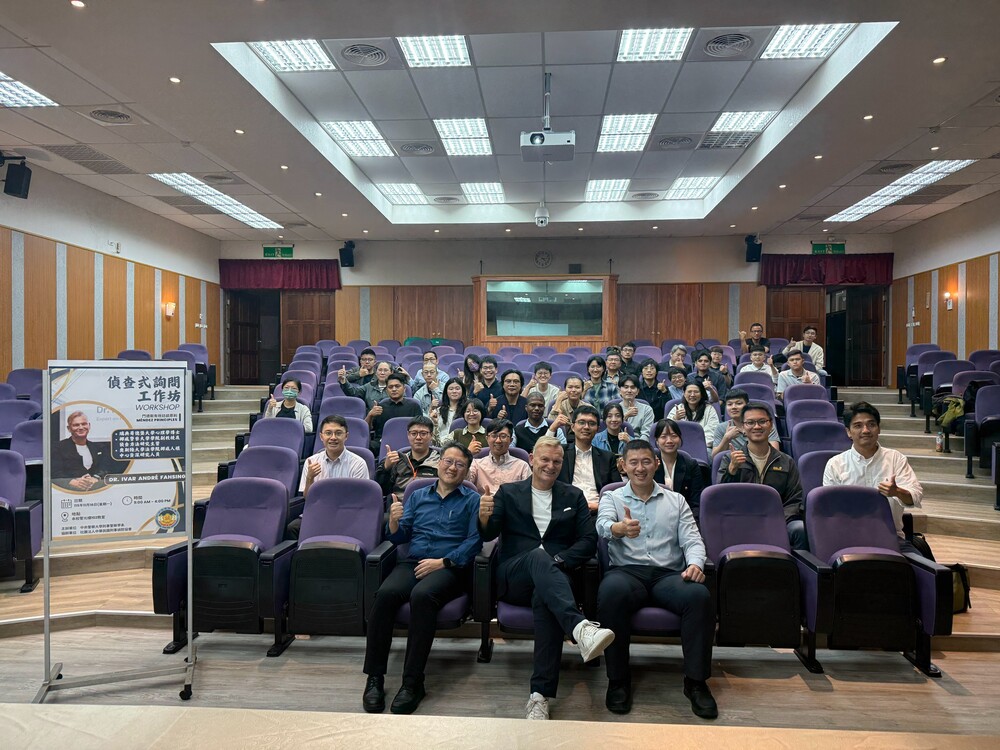
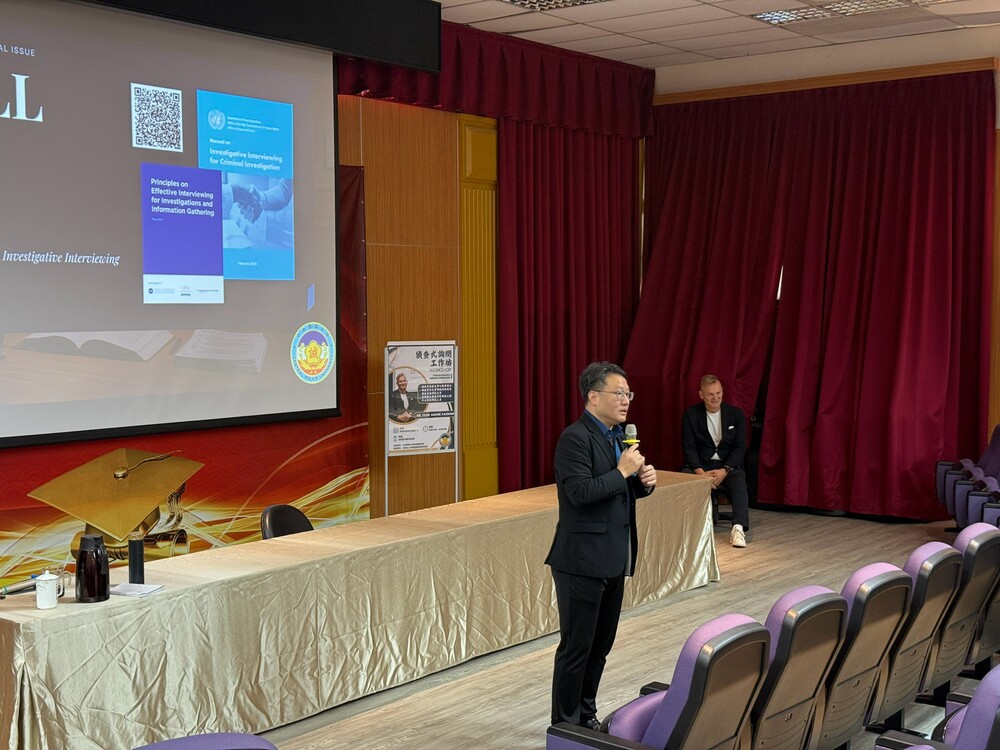
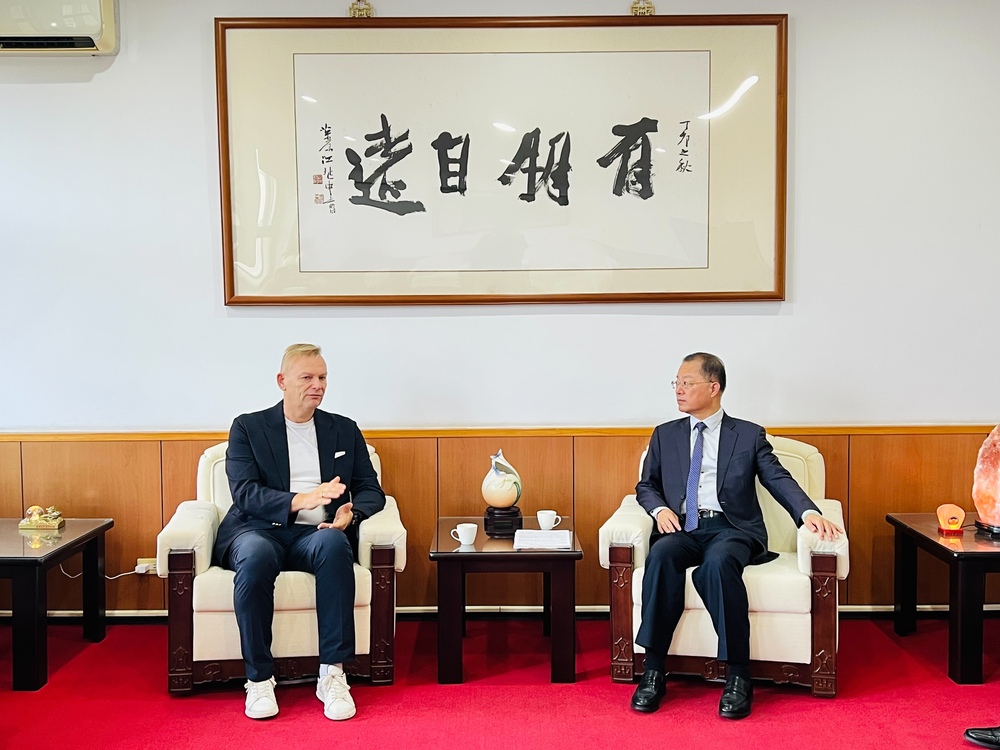
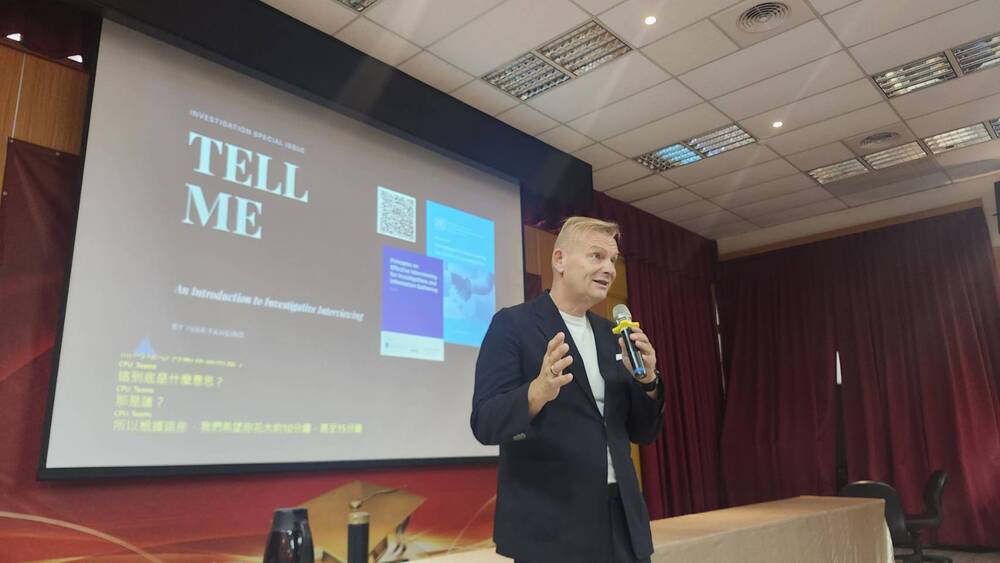
To advance investigative psychology, scientific police interviewing, and international police education exchange, the Department of Criminal Investigation at Central Police University specially invited Dr. Ivar A. Fahsing—former Associate Professor at the Norwegian Police University College and Senior Visiting Fellow at the Faculty of Law, University of Oslo—to visit Taiwan. Dr. Fahsing has a long-standing collaborative relationship with Department Chair Chih-Hung Shih. His visit included academic lectures, visits to police practice agencies, and a professional workshop, integrating academic and practical resources from National Taiwan University, the Criminal Investigation Bureau of the National Police Agency, National Chung Cheng University, and Central Police University to promote exchanges between Taiwan and Norway in investigative psychology and police education.
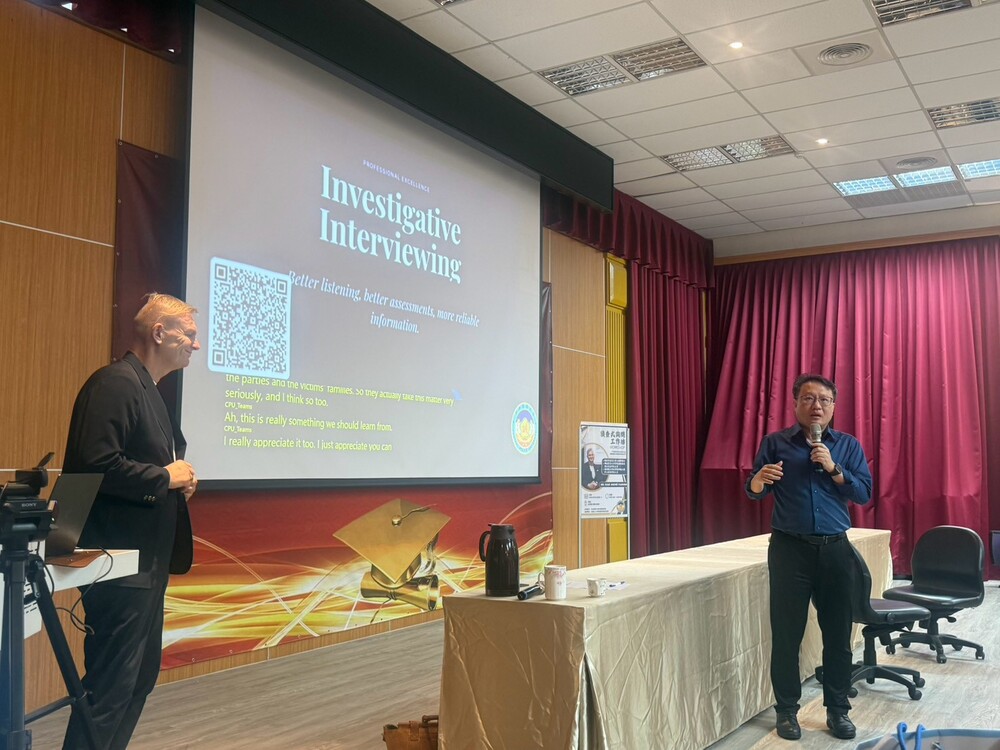
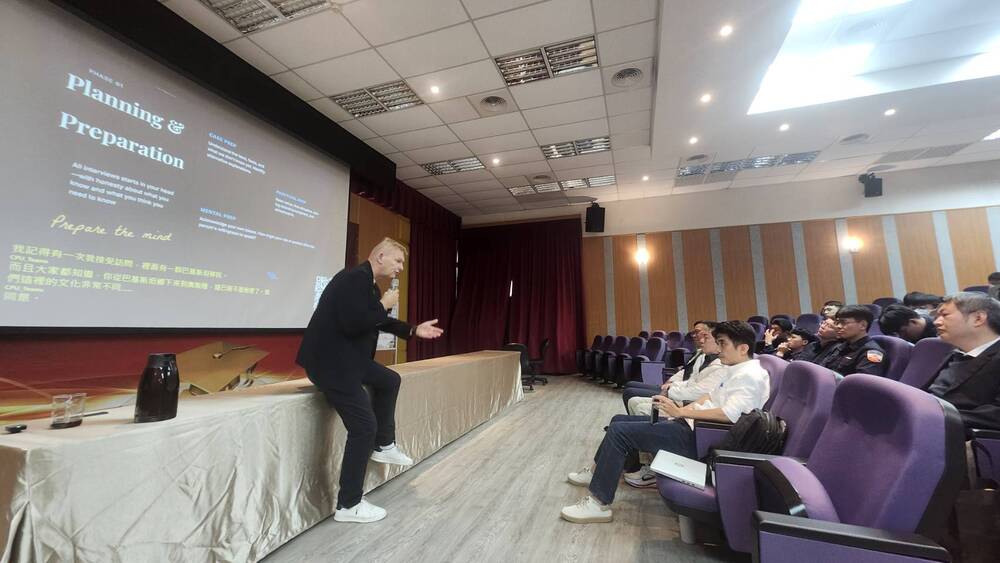
The "Investigative Interviewing Workshop" was successfully held on November 16, 2026\. Approximately 80 participants attended, representing practical agencies including the National Police Agency, Coast Guard Administration, Agency Against Corruption (Ministry of Justice), Investigation Bureau (Ministry of Justice), and Military Police Command. The 6-hour workshop centered on the Méndez Principles on Effective Interviewing, aiming to overturn traditional confrontational interrogation models and establish a modern interviewing mechanism oriented toward "information gathering" and "human rights protection."
In his lecture, Dr. Fahsing offered a profound analysis showing that traditional law enforcement culture often overemphasizes "authoritarian control" and the "pursuit of confessions." However, high-pressure interrogations lacking scientific design carry a severe risk of inducing "false confessions." Citing a 1997 Norwegian teenage murder case as an example, the suspect confessed falsely under three weeks of isolated interrogation and psychological suggestion, and was exonerated only years later with expert assistance—illustrating the grave harm an unprotected interrogation environment inflicts on judicial justice.
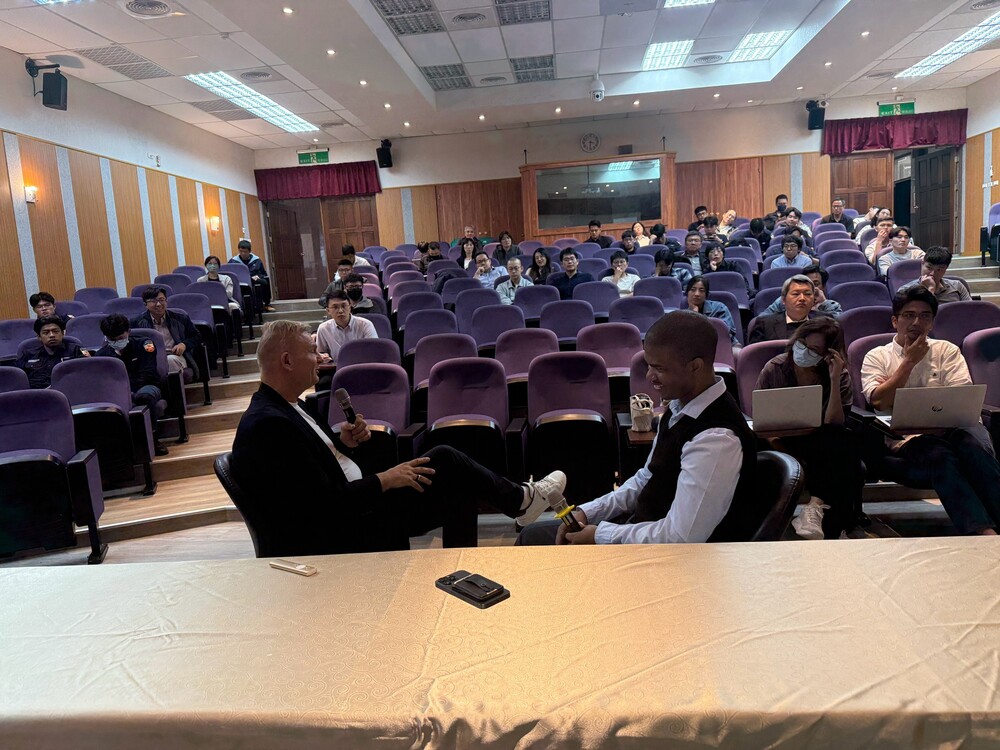
Participants responded enthusiastically and discussed domestic practical cases, examining how investigators under time pressure and cognitive bias can easily treat a single hypothesis as the sole truth. Dr. Fahsing emphasized that criminal investigators should not act in a confrontational "SWAT team" role, but rather as "detectives" possessing deep reflective capacity, thinking critically just like scientists.
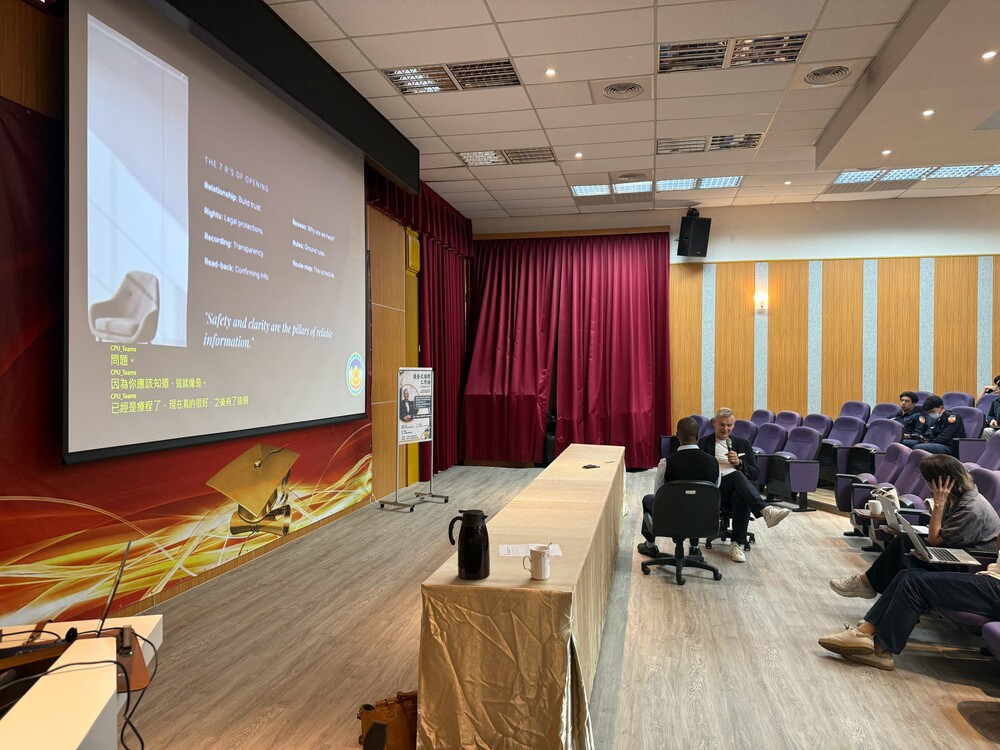
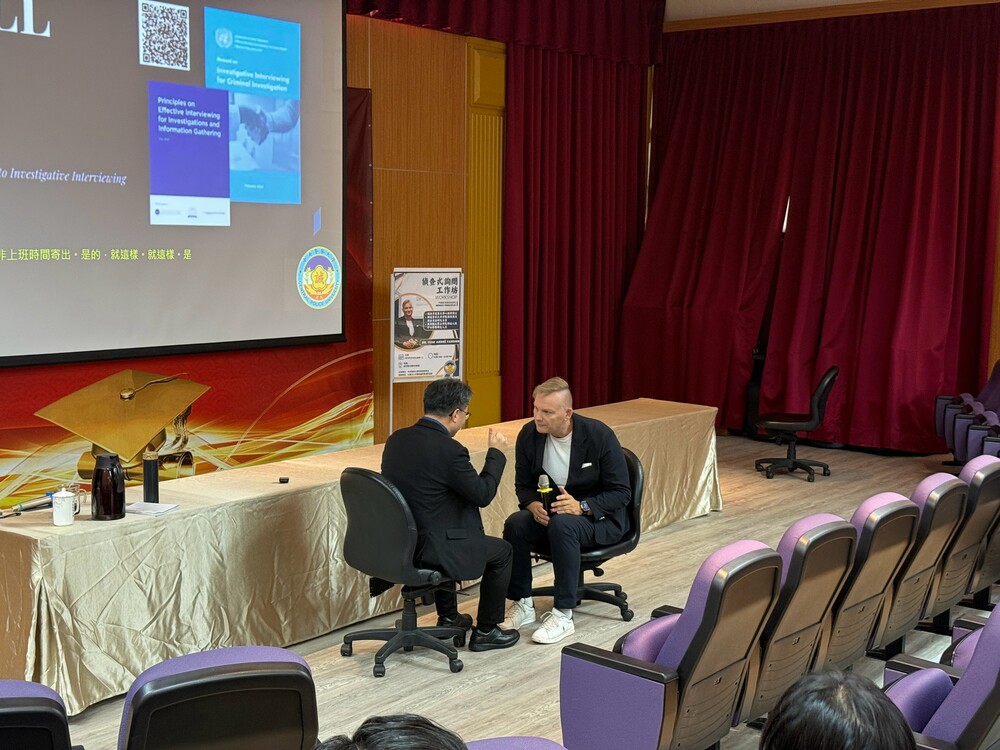
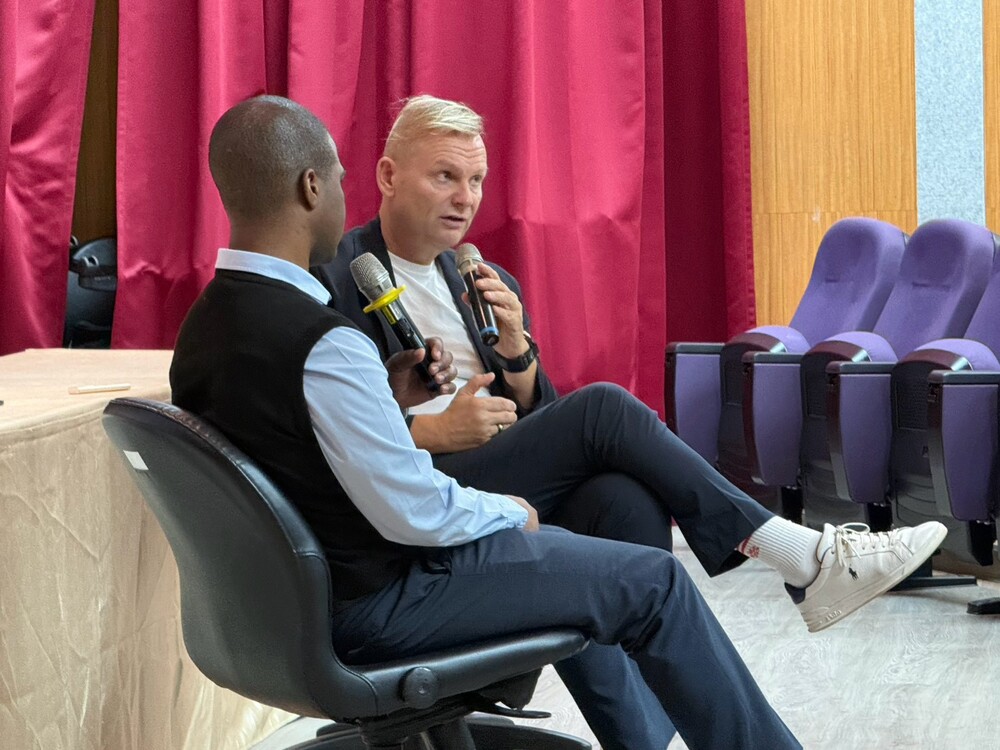
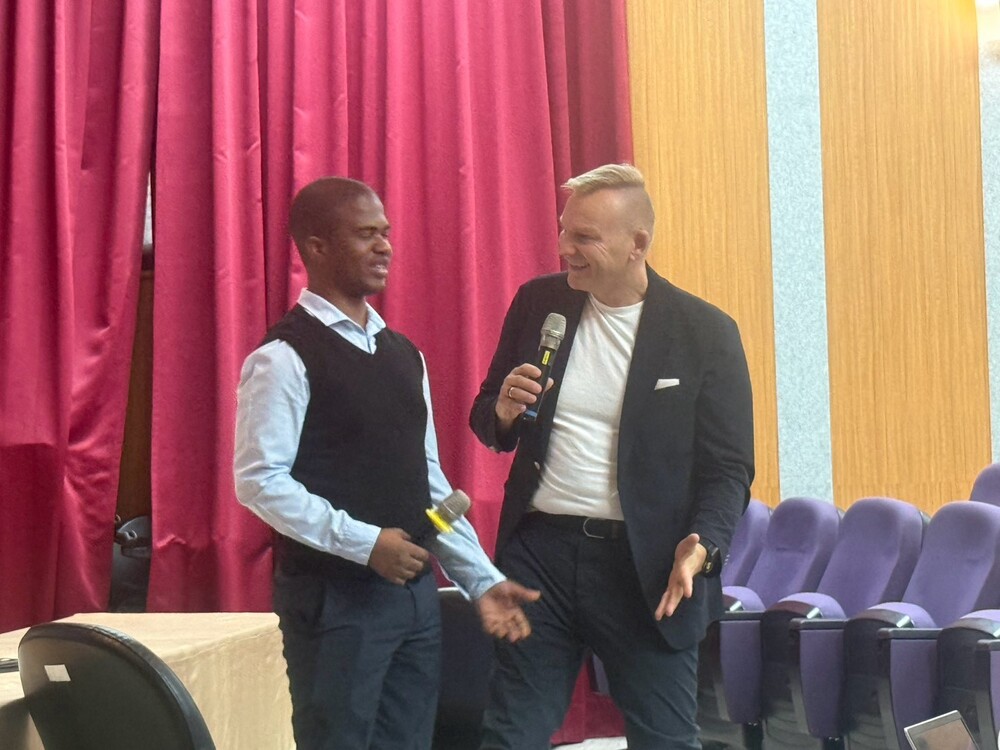
Breaking away from traditional one-way lectures, the workshop adopted a highly interactive pedagogical model. At the start of the session, Dr. Fahsing personally demonstrated how "micro-adjustments to seating arrangements" reduce interviewee stress and facilitate memory recall. Experimental case studies from Scotland Yard in London were introduced for participants to perform comparative testing. In the afternoon session, Dr. Fahsing invited participants onto the stage for mock interview demonstrations, practically showing how to use the "7 Rs of Rapport Building" and "open-ended questioning" to guide interviewees in providing rich details while ensuring memory remains unprompted and unpolluted by the interviewer.
The successful hosting of this workshop not only deepened cooperative relations with top-tier international academic institutions such as the Norwegian Police University College and the Norwegian Centre for Human Rights at the University of Oslo, but also embedded the latest international human rights-based interviewing concepts and empirical scientific techniques into Taiwan's law enforcement officer training system. Moving forward, the department will continue to expand international exchanges and promote the modernization of police investigative systems. All participating trainees spoke highly of the theoretical depth and practical value of the workshop.